
North London Extension Builders Turn Small Town Houses Into Family Legacies
Small towns have a way of holding onto their people. Streets remain familiar for years, neighbours become part of everyday life, and some houses stay in the same family long enough to collect decades of memories.
But staying does not necessarily mean leaving a home untouched. In small towns around the capital, more families are finding ways to make their existing properties work for the next stage of family life.
North London extension builders are part of that change, helping homeowners add useful space without forcing them to leave the streets and communities they already know. For some families, the decision is as much about where they want to live as it is about how much room they need.
This is not simply a construction story. It is also about the practical and emotional reasons people choose to remain in one place. In smaller communities, housing options can be limited, while the cost and disruption of moving can make a familiar property increasingly valuable.
When a family has outgrown its home, adding space can sometimes be a more sensible answer than searching for another house.
Why Families Are Choosing To Stay Put
One of the strongest attractions of small-town life is the sense of familiarity it provides. Children may grow up close to grandparents, local shopkeepers know their customers by name, and schools and parks can be within an easy walk. Those everyday connections can carry considerable weight when a family is deciding whether to move or renovate.
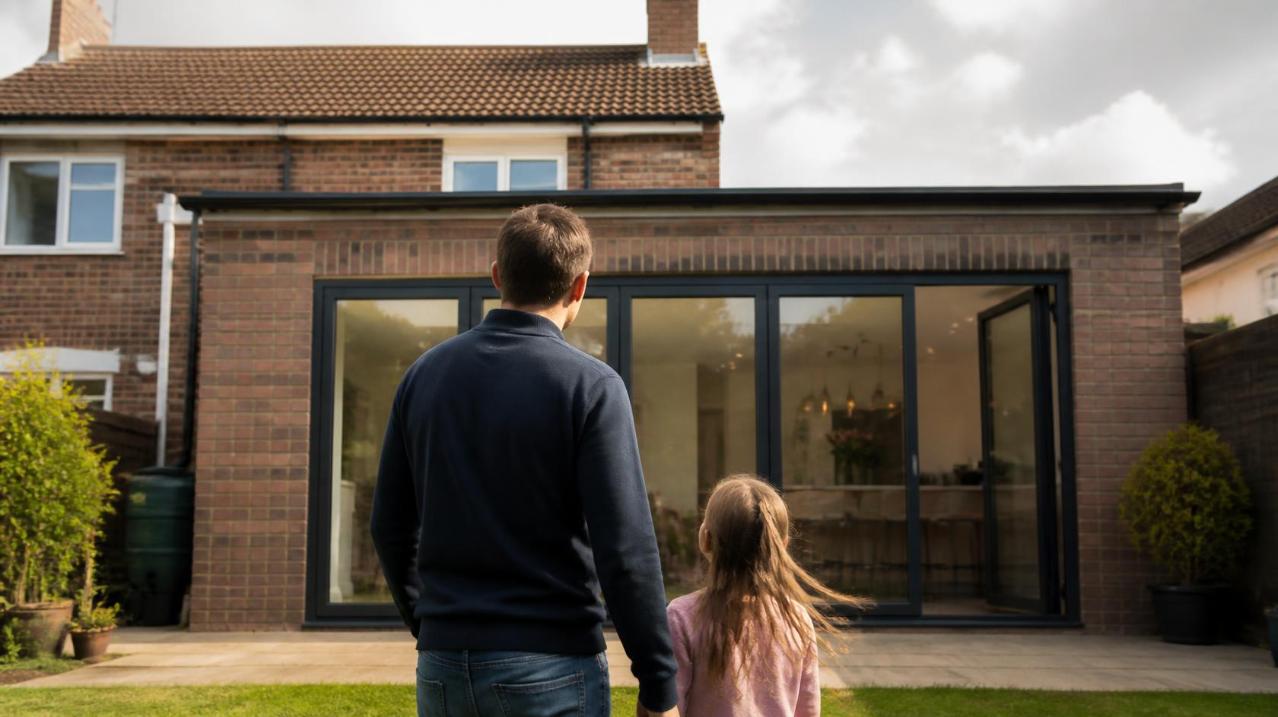
An extension provides another option. A growing family does not necessarily have to give up its community because the kitchen has become cramped or there are no longer enough bedrooms. A rear extension, loft conversion or redesigned ground floor can provide the additional space while allowing the household to remain where it is.
There is a financial consideration, too. In some small towns, there simply are not many larger properties available at a reasonable price. When demand is strong, moving to a bigger house can involve more than the difference in sale prices. Estate agent fees, legal costs, taxes, moving expenses and the work required to settle into a new property can quickly add up.
For homeowners who already have a manageable mortgage or own their property outright, extending can therefore be an attractive alternative. It allows them to spend money on a house they already understand rather than taking on the uncertainty that comes with buying another one.
The Emotional Value Of Staying
Financial calculations only explain part of the decision. A house can become closely tied to a family’s history.
The dining room may be where birthdays were celebrated. A particular bedroom may have belonged to several siblings over the years. The garden may still contain a tree planted when the children were young. These details are difficult to put into a property valuation, but they can make the prospect of moving much less appealing.
For many families, extending the house is a way of preserving those memories while making room for new ones. A new bedroom might eventually become a teenager’s first private space. A larger kitchen can make it easier for everyone to sit down together for dinner. A previously unused part of the house might become a study, playroom or guest room.
The original building remains recognisable, but it becomes better suited to the people living in it.
That balance is important. A thoughtful extension does not have to make an older house feel as though its history has been stripped away. When the new work relates well to the existing property, the result can feel like a natural continuation rather than a completely different building.
Planning Permission And Practical Realities
Of course, extending a property is not as simple as deciding where to put an extra room. Small towns often contain older buildings and conservation areas, and planning restrictions can affect what homeowners are allowed to change.
Properties with historic features or those located in protected areas may face additional requirements. Depending on the size and nature of the project, homeowners may need to work within permitted development rules or submit a full planning application. Understanding the difference can save considerable time and prevent costly mistakes.
This is one reason local experience can be valuable. Builders who regularly work in a particular area are more likely to understand the practical expectations surrounding common projects. They may also have experience dealing with local planning departments and the types of issues that can cause applications to be delayed.
That does not guarantee approval, but it can make the process easier to navigate.
Building regulations are another consideration. Structural changes need to meet the relevant standards, while projects involving shared walls may require attention to party wall matters. Good communication with neighbours is particularly important in small communities, where people are likely to continue seeing one another long after the builders have left.
A poorly managed project can create tension that lasts much longer than the construction itself. Getting the technical and neighbourly details right is therefore part of making an extension successful.
A House That Can Adapt Over Time
The bigger change may be in how homeowners think about the role of a house.
For years, moving to a larger property has often been seen as the natural response to a growing family. But that approach does not suit everyone. A home can be modified as circumstances change, and the reason for an extension does not necessarily have to remain the same forever.
A loft conversion built for children could eventually become a home office. A rear extension designed around family meals could later provide space for visiting relatives. A downstairs room might one day make it easier for an older family member to stay nearby.
That flexibility gives an extension value beyond its original purpose. Instead of solving one immediate problem, the work can give a house more ways to serve the people living there.
It also fits with the way people experience small-town life. Much of community life is built around repeated routines: seeing the same faces on the school run, shopping at familiar stores, walking the same streets and meeting neighbours over the garden fence.
In that sense, how daily habit development strengthens the social fabric of small community life is closely connected to why some families place such a high value on staying in one location.
The house itself becomes part of those routines. It is where children return from school, where relatives gather for celebrations and where ordinary evenings become family memories.
What The Trend Could Mean For Small Towns
There is a wider community effect when families choose to remain in their homes for longer.
Long-term residents tend to have established connections with schools, local businesses, sports clubs, community organisations and neighbours. Keeping those relationships intact can contribute to the stability of a small town. It also means families can continue participating in local life rather than starting again somewhere unfamiliar.
This does not mean every family should extend its home, nor does it suggest that moving is the wrong choice. Sometimes a different property will genuinely be the better solution. But for homeowners who like their town and their neighbourhood yet have simply run out of space, an extension offers a way to change the house without changing everything else.
That may explain why the appeal of home extensions goes beyond additional square footage. They can be about making an existing property fit a changing family while preserving the parts of life that already work.
A small house can become a larger family home without losing the garden where children played, the kitchen where generations gathered or the street where neighbours have known one another for years. For families who value those connections, that continuity can be worth considerably more than the novelty of moving somewhere new.
In the end, extending a home is not only about adding rooms. It can be a practical decision, a financial one and, in many cases, a deeply personal choice to keep building a life in a place that already feels like home.
//
//
Small Town Voices, Big Online Reach: Can Digital Tools Level the Playing Field?

Pew Research Center reports that nearly 70% of Americans use social media as a primary source of information and connection. Yet, creators from small towns often feel overshadowed by the sheer volume of urban voices dominating digital platforms. The imbalance is not just about geography, but about visibility, resources, and access to networks that amplify content.
For many small-town creators, the challenge lies in breaking through the noise. Some turn to amplification tools, such as reddit upvoting services, which promise to boost visibility by increasing engagement metrics. These services raise a critical question: do they genuinely help level the playing field, or do they distort the authenticity of online communities?
The Visibility Gap
Urban creators often benefit from proximity to industry hubs, networking events, and faster internet infrastructure. By contrast, small-town voices may struggle to gain traction despite producing equally compelling content. Data from the Brookings Institution highlights that digital inequality persists, with rural areas facing slower adoption of high-speed internet and fewer opportunities for collaboration. This gap translates directly into fewer chances for creators to be discovered.
Take the example of a young musician in rural Kansas who uploads original songs to streaming platforms. Despite talent and dedication, her reach remains limited compared to peers in Los Angeles who can easily connect with producers, influencers, and audiences. The issue is not quality, but visibility.
Digital Tools: Equalizer or Illusion?
Amplification tools, whether in the form of paid promotion, algorithmic boosts, or community-driven voting, promise to bridge this gap. Services that increase post visibility can indeed help small-town creators gain initial traction. Harvard Business Review notes that early engagement often determines whether content is surfaced to wider audiences, making these tools appealing for those outside major cities.
However, critics argue that artificial boosts undermine the organic nature of online communities. If visibility is purchased rather than earned, does it reflect genuine interest? Platforms like Reddit were built on the principle of community-driven discovery. Introducing paid manipulation risks eroding trust and authenticity, leaving audiences skeptical of what trends truly represent.
Anecdotes from the Margins
Consider the story of Jacob, a photographer from a small town in Montana. His work, focused on landscapes and rural life, initially struggled to gain traction online. After experimenting with promotional tools, his posts began appearing on larger forums, attracting attention from national publications. For Jacob, these tools were a lifeline, offering exposure he could not achieve locally.
On the other hand, Maria, a writer from a small town in Ohio, found that artificially boosted posts drew attention but failed to build lasting engagement. Readers clicked, but few stayed. She realized that while visibility tools could spark curiosity, they could not replace authentic community-building and consistent storytelling.
Balancing Reach and Authenticity
The debate is not about whether amplification tools work because they do. The debate is whether they foster sustainable growth. McKinsey & Company emphasizes that long-term digital success depends on building trust and authenticity. For small-town creators, this means balancing the use of promotional aids with genuine interaction, storytelling, and community engagement. Insights on daily habit development in small communities show how consistent, authentic participation can strengthen social bonds and create lasting digital networks that mirror real-world connections.
Alternative strategies exist. Collaborations across regions, participation in niche communities, and leveraging platforms that prioritize quality over quantity can help small-town voices rise without relying solely on artificial boosts. For instance, podcasts and newsletters often reward consistency and depth, offering creators a chance to build loyal audiences regardless of geography.
Looking Ahead
Digital tools can indeed help level the playing field, but they are not a panacea. They provide visibility, yet visibility alone does not guarantee influence or sustainability. The real challenge lies in converting attention into meaningful connection. For small-town creators, the path forward may involve a hybrid approach: using promotional aids sparingly while investing deeply in authentic engagement.
Ultimately, the question is not whether amplification tools distort reality, but whether creators can use them responsibly to highlight voices that might otherwise remain unheard. In a digital landscape where attention is currency, small-town voices deserve the chance to be valued. Whether through organic growth, community-driven support, or occasional promotional boosts, the goal should remain the same: ensuring that talent, regardless of geography, has the opportunity to be seen and heard.
As the digital ecosystem evolves, creators from rural areas must navigate carefully. Paid promotion, vote manipulation, or engagement-boosting tactics may open doors, but authenticity will keep them open. The future of small-town voices online depends on striking this balance; leveraging tools without losing trust, and amplifying reach without sacrificing integrity.
In the end, whether through community-driven voting, promotional boosts, or algorithmic support, the challenge remains clear: visibility must serve authenticity. For small-town creators, this balance is not just strategy, but survival in the digital age.
//
//
House Washing Experts Bringing Cleanliness to Your Homes
In small towns, services are rarely just services, they’re relationships. The mechanic knows your truck’s history. The cashier asks about your kids. Professional house washing experts are no different. In tight-knit communities where word travels faster than advertising, reputation is currency and trust is everything.
Professional house cleaners in small-town life are not anonymous workers cycling through appointments. They are neighbors helping neighbors, woven into the daily rhythms of the community. Their work supports families, seniors, and local businesses while quietly upholding the pride that defines small-town living.
Built on Word-of-Mouth and Trust
In large cities, cleaning services often rely on digital ads and app-based bookings. In small towns, credibility is earned at the grocery store, the school pickup line, or Sunday service. A recommendation from a friend carries more weight than a five-star online review.
Professional cleaners thrive in this environment because their work speaks for itself. Reliability matters deeply. Showing up on time, respecting personal belongings, and maintaining confidentiality are not just professional standards, they’re social expectations.
A cleaner who does good work gains loyal clients for years. One misstep can ripple through the community just as quickly.
Supporting Busy Families and Working Households

Small-town life often carries a myth of simplicity, but residents know better. Many households juggle long commutes, family farms, small businesses, school activities, and community commitments.
For dual-income families, having reliable cleaning support means more time for school events, local sports games, and shared dinners. Instead of spending weekends catching up on chores, families can invest their energy back into community life.
Caring for Elderly Neighbors with Dignity
One of the most meaningful roles professional cleaners play in small towns is assisting elderly residents. However, physical limitations can make deep cleaning tasks difficult or unsafe.
A trusted local cleaner provides more than housekeeping, they provide peace of mind. Regular visits ensure that floors are safe from clutter, bathrooms are sanitized, and living spaces remain comfortable. For family members who live out of town, knowing that a dependable neighbor is helping offers reassurance.
Upholding Community Pride and Presentation
In small towns, presentation carries collective significance. A well-kept home reflects not just individual pride but community values. Front porches are swept, windows shine, and businesses maintain inviting storefronts.
Professional house cleaners help maintain that standard indoors. They ensure that homes are ready for impromptu visits and holiday gatherings. They prepare spaces for graduations, birthdays, and neighborhood celebrations.
This shared sense of upkeep strengthens community identity. When homes and businesses are well cared for, the entire town feels more welcoming. Cleanliness becomes part of the town’s character.
A Community Contribution
In small-town life, professional house cleaners represent something deeper than convenience. They embody reliability, accountability, and neighborly care. Their work supports busy households, protects elderly residents, and sustains local pride.
Because everyone is connected, cleaning services operate within a framework of mutual respect. Clients trust cleaners with their homes. Cleaners honor that trust through consistent, attentive work.
//
//
NAATI Certified Translation Brings Rural Residents Closer To Essential Local Services In Growing Communities
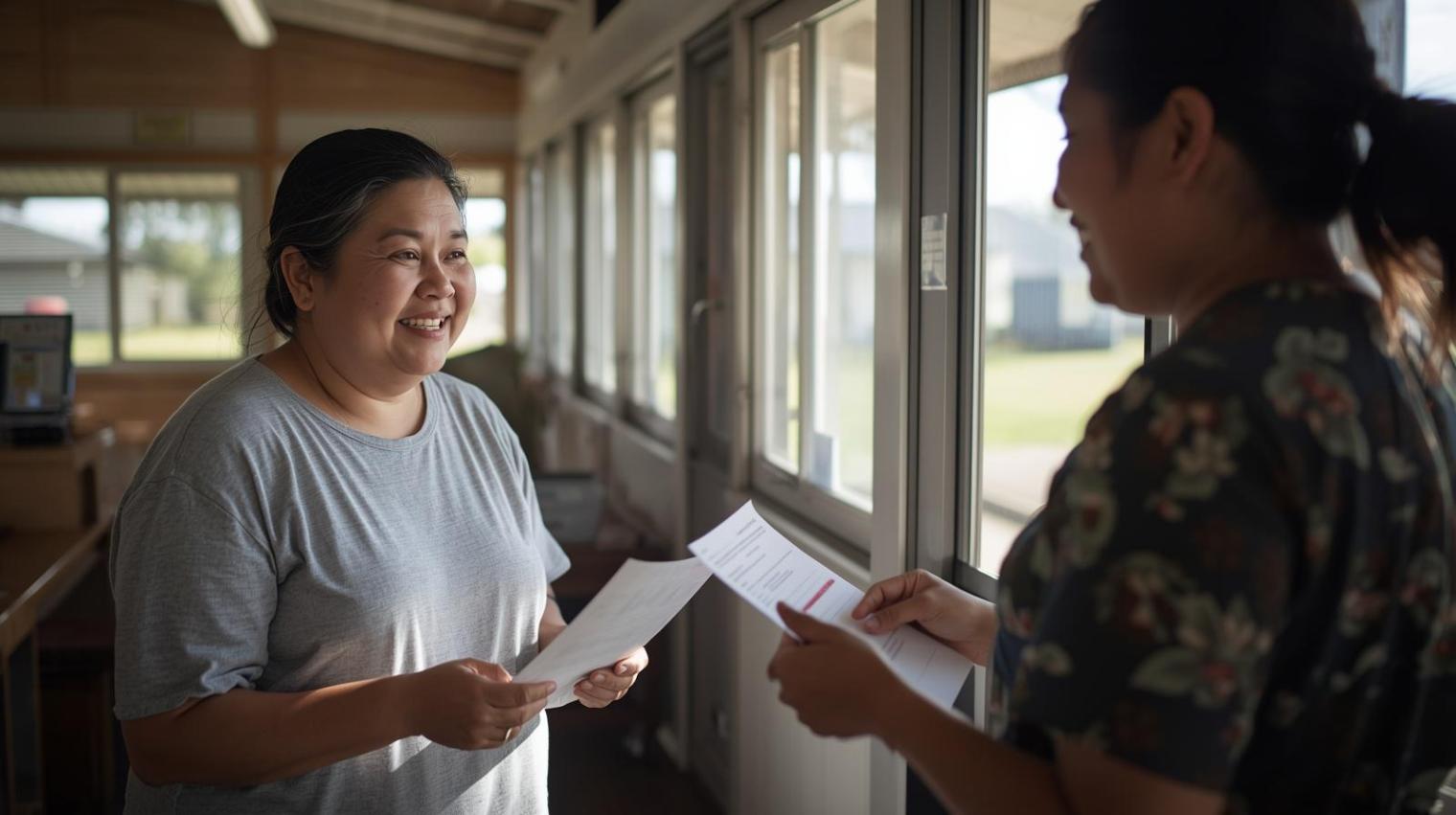
Small towns can offer welcoming, tight-knit communities, though culturally diverse new residents often face challenges when completing even basic tasks because important documents are sometimes issued in another language.
NAATI Certified Translation (naati 翻譯) has become a vital service that connects rural families to essential community services.
From applying for support programs to enrolling children in school, accurate translation helps new residents participate more confidently in their communities.
A translated certificate, license, or personal record may seem like a simple document, but it often represents someone’s effort to build a stable future in a new place.
Assisting New Residents in Integration
Many rural towns continue to attract families searching for a slower pace of life, affordable housing, and stronger community connections. However, for new immigrants, small-town life involves more than settling into a new home and meeting neighbors.
Families moving from overseas often need certified translations of identification papers, academic records, and other official documents before they can access important services. Without reliable translation, ordinary administrative tasks can quickly become stressful and confusing.
One community volunteer who regularly supports new residents described clear communication as one of the first steps toward feeling accepted. She shared, “People feel more comfortable joining the community when they know their information is understood.”
These small moments can make a meaningful difference during a family’s first experience in a new town.
Facilitating Routine Rural Services
Trust plays an important role in rural communities. Local schools, healthcare providers, public offices, and community organizations work best when residents can easily communicate and participate.
Certified translations help remove uncertainty from important interactions. Children’s records can be processed correctly. Workers can provide their qualifications when seeking employment. Families can handle personal matters without feeling disconnected from the services around them.
People living in larger cities often have easier access to multilingual support, while rural residents may have fewer options available nearby. Professional translation services help close this gap by giving smaller communities better access to the same opportunities found in larger areas.
Preparing Small Towns for a More Multicultural Future
Small towns continue to change as more families from different backgrounds choose rural communities as their new homes. These changes often introduce new traditions, cultural activities, and shared experiences that make local areas more vibrant.
Language support may work quietly behind the scenes, but its impact is noticeable. When translated documents are accessible, residents can move beyond paperwork challenges and become more involved in local life.
Living in a small town becomes more meaningful when everyone has a chance to contribute. Among some of the things that bring joy in a small town are the friendships, shared moments, and opportunities created when people feel welcomed.
Certified translation remains an important bridge that helps remove barriers and supports stronger connections across the community.
//
//
Life in a Small Town: Genuine Communities Still Matter Online
 Small-town life offers something many people struggle to find in larger cities: connection. People often know their neighbors, local shop owners recognize familiar faces, and daily routines feel more personal. Life may move more slowly, but relationships tend to feel stronger and more meaningful.
For many people, small towns create a strong sense of belonging. Families support one another during difficult times, local businesses depend on community loyalty, and traditions often continue for generations. While small towns may not always have the excitement or opportunities of major cities, they often provide emotional stability and close social ties that many people value deeply.
Today, however, even small-town communities are becoming more digital. Local groups now use platforms like Discord, Facebook, and online forums to stay connected, organize events, share updates, and discuss local interests. Farmers, students, business owners, gamers, artists, and families all use online spaces to maintain communication and build new relationships.
As more people create digital communities, some server owners search for ways to buy members for Discord to grow faster and increase visibility. Larger numbers may seem impressive at first, but small-town values teach an important lesson: real relationships matter more than appearances. Authentic communities always create stronger long-term connections than artificial popularity.
What Makes Small-Town Communities Different
Life in a small town often revolves around familiarity and trust. People regularly interact with the same individuals at schools, local stores, restaurants, churches, markets, and public events. These repeated interactions create stronger personal relationships over time.
Unlike large cities where anonymity is common, small towns usually encourage accountability. People tend to care more about their reputation because community relationships directly affect daily life. Trust becomes extremely important because social circles often overlap.
This environment creates stronger support systems. During emergencies, illnesses, or financial struggles, neighbors frequently help one another. Community events such as festivals, sports activities, and local celebrations also strengthen relationships between residents.
At the same time, small-town life can sometimes feel isolating, especially for younger generations or people with niche interests. Opportunities for entertainment, education, or networking may be limited compared to larger urban areas. This is one reason online communities have become increasingly important.
Discord servers and digital groups allow people from small towns to connect with larger audiences while still maintaining close-knit interactions. Gamers can find teammates, artists can share creative work, students can join study groups, and local businesses can engage with customers online.
Many small-town communities now combine offline and online interaction. Local clubs, gaming groups, schools, and organizations often use Discord servers to organize activities and communicate more efficiently.
Because online visibility matters more than ever, some people search for methods to buy members for Discord in order to make their communities appear larger and more active. However, artificial numbers rarely create genuine trust or meaningful engagement.
Discord’s official policies explain that artificially inflating server membership or engagement may violate platform guidelines.Communities that rely heavily on fake activity often struggle to maintain authentic participation because users quickly recognize when interaction feels unnatural.
Small-town culture actually highlights why authenticity matters so much. In close communities, people value honesty and reliability more than appearance. Online spaces follow the same pattern. Genuine conversations create stronger long-term communities than inflated statistics ever can.
Why Authentic Engagement Builds Better Communities
Online communities work best when members feel personally connected to the environment. This is especially true for smaller or niche communities where interaction matters more than large audience size.
A Discord server with thousands of inactive members often feels empty despite impressive numbers. In contrast, a smaller server with active conversations, supportive members, and meaningful discussion usually feels far more welcoming.
Small-town values naturally support this type of engagement. People who grow up in close communities often understand the importance of loyalty, familiarity, and personal interaction. They tend to value quality relationships over superficial popularity.
Strong online communities reflect these same principles. Members stay active because they enjoy conversations and feel included. They contribute because the environment feels supportive and genuine.
Moderation plays an important role in maintaining healthy culture. Just like local communities rely on mutual respect, Discord communities also require clear expectations and responsible leadership. Moderators help prevent harassment, spam, and toxic behavior that can damage trust.
Organization also improves participation. Small-town communities often function well because people understand their roles and communication feels straightforward. Online communities benefit from similar structure. Organized channels for announcements, discussions, hobbies, gaming, or local topics make servers easier to navigate.
Consistency matters as well. Successful communities stay active because administrators regularly create opportunities for engagement. Local discussions, online events, gaming nights, creative contests, and group activities help maintain participation.
Many people searching for ways to buy members for Discord focus mainly on appearance instead of experience. However, most users remain in communities because of interaction quality rather than visible member count.
Real engagement creates stronger emotional investment. Members who actively participate are more likely to invite friends, contribute ideas, and help maintain community culture. Organic growth may happen more slowly, but it usually creates healthier long-term results.
Small-town communities also demonstrate the importance of reputation. Word spreads quickly in close environments. If a business or organization treats people poorly, trust can disappear fast. Online communities operate similarly. Once users feel that engagement is fake or leadership is dishonest, credibility becomes difficult to rebuild.
Building Online Communities With Small-Town Values
One of the most valuable lessons small towns offer is the importance of human connection. People remember how others make them feel. Communities become stronger when members feel respected, included, and appreciated.
Online communities can apply these same principles successfully. A Discord server does not need massive numbers to become valuable. What matters most is creating an environment where conversations feel genuine and members feel comfortable participating.
Welcoming new members is an important first step. Small towns often make newcomers feel recognized because personal interaction is common. Online communities can create similar experiences through introduction channels, friendly greetings, and active moderation.
Shared identity also strengthens communities. Small towns often unite around local traditions, schools, sports teams, or cultural events. Discord servers become stronger when members feel connected by shared interests and goals.
Transparency builds trust as well. Community rules, moderation decisions, and server goals should be communicated clearly. Honest leadership encourages stronger participation because members understand what to expect.
Collaboration creates stronger relationships. Communities grow when members contribute ideas, organize activities, and support one another. Interactive discussions and events help people feel emotionally invested in the server.
Local businesses and organizations can also benefit from authentic online communities. Small-town shops, restaurants, gaming groups, and creative businesses increasingly use Discord servers to connect directly with loyal customers and supporters.
However, long-term success still depends on authenticity. Trying to buy members for Discord may temporarily increase visible numbers, but genuine trust cannot be purchased. People remain loyal to communities where they feel real connection and consistent value.
Technology continues changing how people interact, especially in smaller communities where online communication helps bridge geographic limitations. Digital platforms allow people from different backgrounds and locations to connect more easily than ever before.
At the same time, the core principles of strong communities have not changed. Whether offline or online, people still value honesty, support, respect, and meaningful interaction.
Small-town life reminds people that relationships matter more than appearances. Communities become stronger through trust built over time, not through artificial popularity or inflated statistics.
The same lesson applies to Discord servers and digital communities today. Real engagement creates lasting growth because people naturally return to spaces where they feel connected and appreciated.
//
//
How Mobile Auto Glass Services Bring Big-City Standards to Small-Town Roads
More than 14 million windshields are replaced in the United States every year, a reminder that auto glass damage affects drivers everywhere, not just those in major cities. Living outside a dense urban center should never mean settling for fewer options or lower-quality service when safety is on the line.
Across smaller towns and rural neighborhoods near San Antonio, TX, mobile auto glass providers are closing that gap. Services like front windshield replacement now come directly to homes and workplaces, bringing professional tools and trained technicians to the driveway. The result feels simple and modern, yet it reshapes how local drivers handle an essential repair.
For many residents, the nearest repair shop can be miles away. A cracked windshield often means taking time off work, arranging rides, or driving long distances with compromised visibility. Mobile service removes that friction. Instead of planning a trip, drivers schedule a visit. The repair or replacement happens where the vehicle already is, without disrupting the day.
Small-town needs, modern solutions
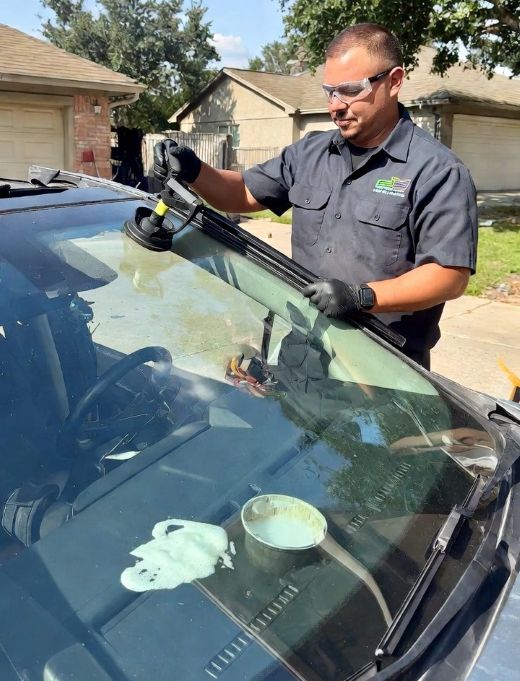
Smaller communities operate on a different rhythm than big cities, a contrast often highlighted when discussing living in a city versus a small town. People know their neighbors, schedules are tighter, and flexibility matters. Mobile auto glass services adapt to that reality. Appointments are arranged around school runs, farm work, or shift changes. Technicians arrive prepared, having confirmed vehicle details in advance.
This approach mirrors the efficiency found in urban service centers, yet it feels more personal. Customers often speak directly with the same team member from booking to completion. That continuity builds trust, which is vital in areas where word of mouth still matters.
Quality that matches city standards
Convenience alone would mean little without quality. Modern mobile units carry the same adhesives, calibration tools, and safety equipment used in fixed shops. Windshield replacements today involve more than glass. Many vehicles rely on cameras and sensors mounted behind the windshield.
After installation, technicians ensure these systems are aligned correctly. This step protects features like lane warnings and automatic braking. When mobile teams handle a front windshield replacement in the field, the process follows manufacturer guidelines. The location changes, the standards do not.
Time saved is safety gained
Driving with damaged auto glass increases the risk of injury during an accident. Chips can spread quickly under Texas heat, turning minor flaws into major hazards. Mobile service shortens the time between damage and repair. Faster action means clearer visibility and stronger structural support.
For parents, older drivers, and people who rely on their vehicles daily, that speed matters. The car stays close to home, and the repair restores confidence behind the wheel. It also reduces the temptation to delay a fix because of travel hassles.
Economic sense for local drivers
Fuel costs, lost hours, and missed appointments add up. Mobile auto glass services often cost the same as shop-based work, yet eliminate extra expenses. Insurance claims can be handled on-site, and some providers assist with paperwork.
By avoiding long drives into the city, residents keep more money in their pockets and spend less time on the road. This efficiency supports the idea that high-level service does not belong exclusively to large metro areas.
A changing expectation on rural roads
As mobile services expand, expectations shift. Drivers begin to see professional auto care as something that meets them where they are. The presence of reliable front windshield replacement options nearby reinforces the idea that safety and convenience can coexist, regardless of zip code.
Small towns around San Antonio are proving that modern solutions thrive outside city limits. Mobile auto glass brings expertise, efficiency, and peace of mind directly to local roads. When front windshield replacement arrives at the driveway with big-city precision, small-town drivers gain time, safety, and confidence without compromise.
//
//
How Daily Habit Development Strengthens the Social Fabric of Small Community Life
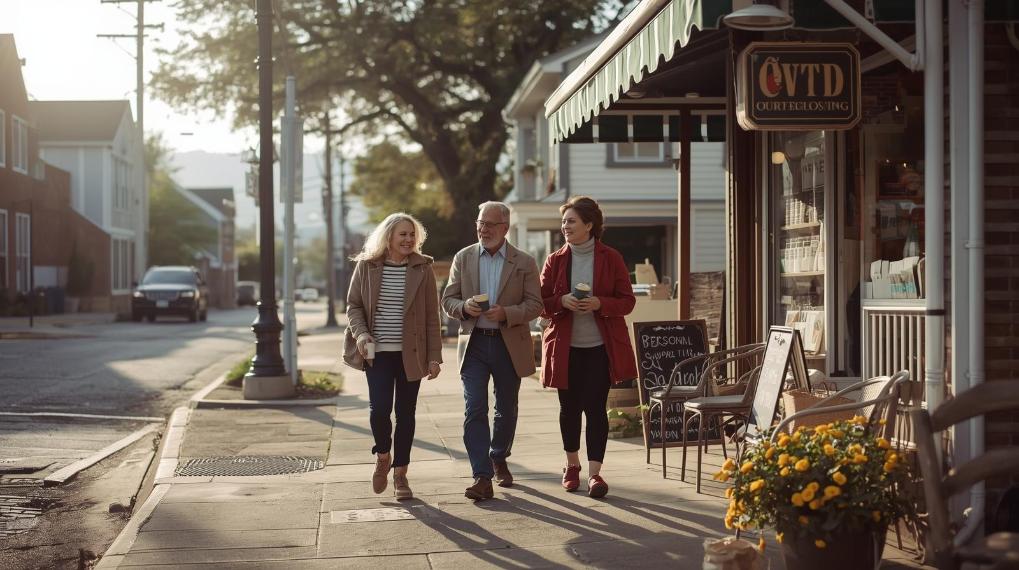
Small towns rely on stability, continuity, and connection. As collective units that foster individuality, towns record progress as development.
In places where people know each other by name and everyone shares a common rhythm of life, the formation of individual habits can influence more than self-success.
It becomes a mechanism for stability, reinforcing values, and enriching the lives of the whole town.
The Impact of Little Things
The routines of individuals shape the manner in which people of the small town, for better or worse, use their time.
In small towns, even the simplest of rituals, such as a morning greeting on a walk or a weekly stop at a local shop, combine to create a pattern of shared activity.
These small rituals conduct the rhythm of the town and sustain its life. Obtaining a positive and beneficial habit sets the younger generations up for success.
Children growing up in small towns often mirror the routines they observe, whether it is helping with community clean-ups, attending local gatherings, or participating in school activities.
This continuity of behavior forms the town and the bond of the town with itself.
Local Participation as a Habitual Practice
Community engagement encompasses more than local responsibilities. Participation in small towns becomes a habitual practice that cultivates togetherness.
Attending community meetings, volunteering, and joining clubs are all habits that embed a sense of commitment to community betterment.
Residents who participate in their town are able to maintain and strengthen the civic scaffolding that characterizes small-town life.
These patterns create engagement and lead to more effective communication, collaborative problem solving, and enhanced community attachment.
Gradually, consistent participation generates trust and civic resilience to withstand challenges.
ALSO READ: Why The Dr Horrible Online Media Site Captures the Heart of Simple Small-Town Lives
How Personal Routines Influence Community Well-Being
Active time and resource management as personal habits foster well-being in the community in indirect ways.
For instance, a financially resourceful resident helps the local economy, and someone who is mentally well and balanced is more present socially to assist other community members and participate in civic activities.
The personal habits of community members construct invisible public works. The more people practice positive habits, the greater the collective community benefits from the enhanced well-being of their environment.
This effect is amplified in small towns that are intricately woven together in day-to-day activities.
A Culture Built on Routine and Shared Values
Small towns often rely on custom, but their intertwining of tradition with progress is due to effective ritualization. Residents’ Constructive routines foster ritualization of values but also innovation.
Living on the basis of routines promotes flexibility and consistency at the same time and thus encourages both the preservation and evolution of the community.
As these civil habits routinize, their spirit embodies the collective essence of the town. Confidence, optimism, and social accountability tie the members of the community together more strongly.
In small towns, daily habits become the true essence of unity.
//
//
Why The Dr Horrible Online Media Site Captures the Heart of Simple Small Town Lives

Small towns often have a certain charm and allure that can be appealing. dr horrible online media site showcases the beauty embedded within these communities that include laundromats, cafes, and that charming old main street.
Where other big-budget productions, dr horrible online media sites celebrate the nuances of small towns blended with ambition, humor, and heart. This online media site is a perfect celebration of the small-town story and the countless epic narratives embedded within.
Ordinary People with Big Dreams
Perhaps one of the reasons dr horrible online media site is the cast of characters. These characters showcase the real heartbeat of small towns, the everyday individuals showcasing their quirky ambitions and aspirations.
These characters shine and portray the everyday individuals one would find in a small town. Where other media glorifies the fast-paced city lifestyle, dr horrible online media site takes a step back to portray the small-town dreamers, the supportive neighbors, and the backbone of the community.
These characters show that small towns have an abundance of untold stories waiting to be told and that these stories can be extraordinary.
Foundational Community Humor
On its online media platform, Dr. Horrible also showcases humor, which further streamlines its interface.
Humor helps in establishing a connection, especially when it is intelligent, and in the case of Dr. Horrible, it combines the irony and warmth of small-town rivalries and interactions with the use of clever slapstick. Dr. Horrible’s cut jokes of relatable small-town timelessness.
They flash humor drawn from the quirks of humanity and the interrelationships that dance around the building of ambition and confrontation with the harsh realities of life. They are drawn from every touch of dr trivia.
They are clever, teasing, and well-toned. The gap of every touch of small-town and dr trivia. They bounce realities and life cycles in small.
ALSO READ: How Life Is Simple In A Small Town
Creatively Connecting to the Ordinary
In addition to providing Dr. Horrible’s online media site to motivate creativity in the small, the connection is innovative and highly valuable. Fans creatively make small posts with doodles narrating the inventions and small-city masterpieces they have achieved.
Making ordinary small celebrations visible for posting helps derive creative artifacts from ordinary small victories. In addition to posting a creativity site, the site helps to build a connection, forming a community.
They hold a reminder that silence, obscure, autobiographic, and self-contained dreams help urge the beauty of a dystopian, grotesque, and barren futuristic city.
Conclusion
Focusing on specific ordinary settings, crafting lovable characters, and employing heartfelt humor, the Dr. Horrible online media site has carved out a small-town niche with special visibility and celebration.
This shows how understated and unassuming great stories can really be and how they can come from anywhere, bringing with them inspiration, engagement, and relatability.
//
//
Some Defining Aspects Of The Nature Of A Small Town
The nature of a small town is shaped by its simplicity, strong community bonds, and close connection to the environment. Here are some defining aspects that
may help you understand the dynamics:
1. Peaceful & Slow-Paced
Life moves at a relaxed rhythm, free from the rush of big cities.
There’s less noise, less traffic, and a greater sense of calm.
2. Close-Knit Community
People know each other by name and look out for one another.
Small-town relationships are built on trust, kindness, and shared traditions.
3. Deep Connection to Nature
Small towns are often surrounded by forests, mountains, rivers, or farmland.
Fresh air, open skies, and natural beauty create a soothing atmosphere.
4. Simple & Traditional Lifestyles
Life revolves around family, work, and community rather than materialism.
Old-fashioned values like hospitality and hard work are often strong.
5. Strong Local Identity
Each small town has its own culture, traditions, and history.
Festivals, fairs, and town events keep the community spirit alive.
6. Limited but Meaningful Entertainment
People find joy in nature, local gatherings, and simple pastimes like fishing, hiking, or sitting on the porch.
Instead of large malls or clubs, social life revolves around community centers, local diners, and family get-togethers.
7. Fewer Career Options but More Work-Life Balance
Jobs may be limited to farming, small businesses, or remote work.
However, people often experience less stress and more time with loved ones.
8. Less Privacy, More Familiarity
Everyone knows each other’s business—news spreads fast.
While it can feel nosy, it also means people care about and support one another.
9. Lower Cost of Living
Housing, food, and other essentials are usually more affordable.
Many people grow their own food, making self-sufficiency easier.
10. Timeless & Unchanged Feel
Many small towns retain a charm that feels like stepping back in time.
Old buildings, classic diners, and community traditions give them character.
//
//
Some Of The Things That Bring Joy In A Small Town
Happiness in a small town often comes from the simple, everyday moments that make life feel fulfilling and peaceful. Here are some of the things that bring joy in a small-town setting:
1. Strong Sense of Community
Knowing your neighbors and having people who genuinely care about you.
The feeling of belonging and support from those around you.
2. Peace & Quiet
No honking cars, loud sirens, or overcrowded streets—just the sounds of nature.
The ability to slow down and appreciate life without constant stress.
3. Nature & Open Spaces
Fresh air, scenic landscapes, and the beauty of sunrises and sunsets.
Access to hiking, fishing, gardening, and other outdoor activities.
4. Simple Pleasures
Drinking coffee on the porch while watching the world wake up.
Small town fairs, local farmers’ markets, and community picnics.
Home-cooked meals with family instead of fast food on the go.
5. Less Stress & More Time for What Matters
No long commutes, leaving more time for family, hobbies, and relaxation.
Life feels less rushed, making it easier to enjoy the little things.
6. Feeling Safe & Secure
People watch out for each other, making crime rates lower.
Kids can play outside freely without as much worry.
7. Traditions & Community Events
Local festivals, parades, and town gatherings that bring everyone together.
Celebrating holidays with a personal, close-knit atmosphere.
8. Cost of Living is Lower
Not having to worry as much about rent, traffic, or expensive city prices.
A simple lifestyle means you don’t need as much to be happy.
9. The Joy of Familiarity
Going to a café where the owner knows your name and order.
Being greeted with smiles everywhere you go.
10. Freedom from Materialism
In small towns, happiness isn’t about fancy cars or expensive clothes—it’s about relationships and meaningful moments.
//
//
Living In City And Small Town Comparison
Living in a city and a small town are two very different experiences, each with its own pros and cons.
1. Pace of Life
City Life: Fast-paced, busy schedules, and a sense of urgency. People are always on the move.
Small Town Life: Slower, more relaxed, and people take time to enjoy simple pleasures.
2. Community & Social Life
City Life: More diverse, but people are often too busy to form deep connections. Neighbors may not even know each other.
Small Town Life: Tight-knit communities where everyone knows each other and supports one another.
3. Cost of Living
City Life: Generally expensive—housing, groceries, transportation, and entertainment all cost more.
Small Town Life: More affordable housing, lower living expenses, and sometimes even the option to grow your own food.
4. Job Opportunities
City Life: More career choices, higher salaries, and a wider range of industries.
Small Town Life: Limited job market, but remote work is changing this. Many people work in local businesses, farming, or commute to nearby cities.
5. Transportation
City Life: Public transport (buses, trains, subways) is common, and owning a car isn’t always necessary.
Small Town Life: Fewer public transport options, so most people rely on their own vehicles.
6. Entertainment & Lifestyle
City Life: Endless entertainment—malls, cinemas, concerts, clubs, and a variety of restaurants.
Small Town Life: Fewer entertainment options; people enjoy outdoor activities, community events, and home gatherings.
7. Safety & Crime Rate
City Life: Higher crime rates in some areas, requiring more precautions.
Small Town Life: Generally safer, with lower crime rates and a greater sense of security.
8. Noise & Pollution
City Life: Noisy streets, air pollution, and constant activity, making it harder to find peace and quiet.
Small Town Life: Cleaner air, open spaces, and less noise, leading to a healthier and more peaceful environment.
9. Healthcare & Education
City Life: Better access to specialized hospitals, top universities, and advanced medical care.
Small Town Life: Basic healthcare facilities and schools, but for specialized services, people often have to travel to the nearest city.
10. Privacy
City Life: People tend to mind their own business, offering more privacy.
Small Town Life: News spreads quickly, and everyone knows each other’s business.
Related Video
//
//
How Life Is Simple In A Small Town
Life in a small town is simple in many ways because things move at a slower pace, and daily routines are more relaxed. Here’s what makes it feel simpler compared to city life:
1. Less Stress & Hustle
No heavy traffic or long commutes—most places are just a short drive or walk away.
Fewer crowds and noise, making daily life feel peaceful.
2. Fewer Choices, Less Complexity
Fewer stores and restaurants mean you don’t spend time overwhelmed by choices.
Social life is more about spending time with family and friends rather than chasing trends.
3. Close-Knit Community
Neighbors look out for each other, so you don’t have to worry as much about safety.
People rely on local businesses and farmers instead of big corporations.
4. More Time for What Matters
Instead of rushing through life, people take time to enjoy the little things—like a cup of coffee on the porch or a chat with a neighbor.
Life revolves around simple pleasures like home-cooked meals, family gatherings, and community events.
5. Nature is Part of Daily Life
Fresh air, open spaces, and a connection to nature help create a relaxed lifestyle.
You can take a walk, enjoy a sunrise, or grow your own food without much effort.
6. Cost of Living is Lower
Housing is usually more affordable, so there’s less financial stress.
People often grow their own food or barter within the community, reducing reliance on money.
7. Work-Life Balance is Easier
Many small-town jobs have more predictable schedules, allowing people to prioritize family and leisure time.
Remote work has made it even easier to enjoy small-town life without sacrificing career growth.
//
//
Life In Small Town And The Closer To Nature
Small towns are often surrounded by nature, with beautiful landscapes, fresh air, and plenty of open spaces. This makes it ideal for outdoor lovers who enjoy hiking, fishing, or just taking in scenic views.
//
//
Local Traditions And Festivals
Small towns often have deep-rooted traditions, from annual fairs to local parades. These events bring people together and strengthen the town’s cultural identity.
//
//
Life In A Small Town
Life in a small town has a charm of its own. It’s usually quieter, slower-paced, and more close-knit compared to city life. Small towns often have deep-rooted traditions, from annual fairs to local parades. These events bring people together and strengthen the town’s cultural identity.
//
//